


Amy Collins Recognised Again as an Industry Leader
Rundles is proud to share that our Managing Director, Amy Collins, has once again been recognised as an Industry Leader by Credit Connect. The Credit Connect Industry Leaders list recognises individuals who are driving positive change, influencing the future of ...
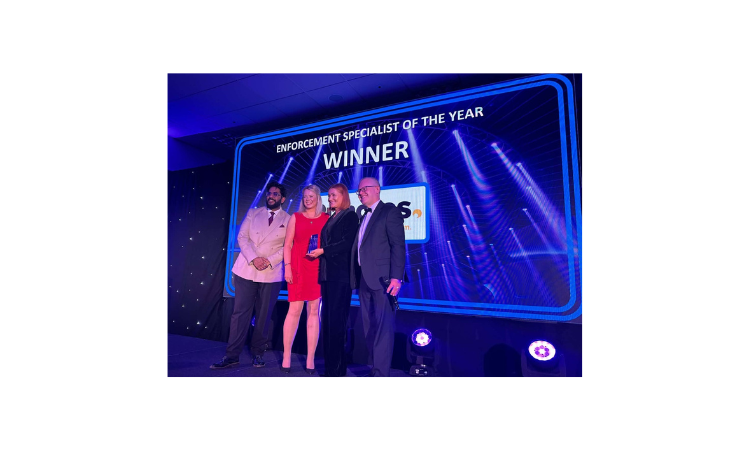
Rundles Recognised at the Credit & Collections Industry Awards 2026
Rundles is proud to have been recognised at the Credit & Collections Industry Awards 2026, winning Enforcement Specialist of the Year — a prestigious award that reflects the strength of our people, our culture and our commitment to doing things the right ...
Amy Collins Appointed President of CIVEA
Rundles is proud to announce that its Managing Director, Amy Collins, has been appointed President of the Civil Enforcement Association (CIVEA), the national trade body representing professional civil enforcement agencies across England and Wales. Amy’s appointment reflects her long‑...
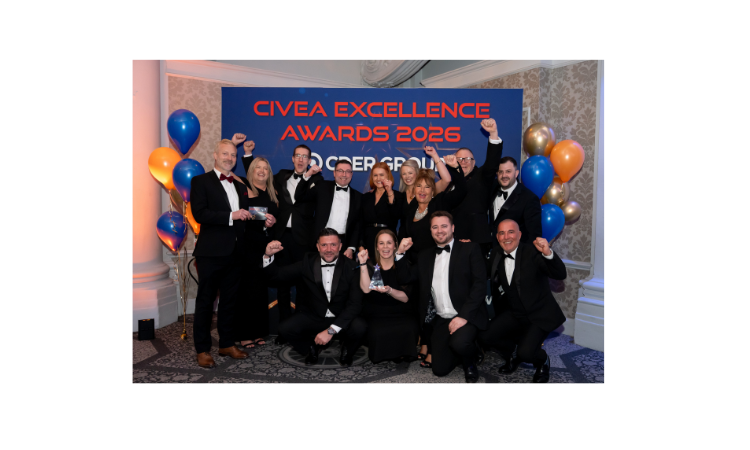
Rundles Celebrates Five Wins at the CIVEA Awards 2026
Rundles is proud to have received five awards at the CIVEA Awards 2026, recognising the people, teamwork, training and values that sit at the heart of our business. The CIVEA Awards celebrate excellence across the civil enforcement industry, highlighting individuals and ...
Great Place to Work® Certified™ …. Again!
We’re really proud to share that Rundles has once again been awarded Great Place To Work UK Certified™ status — and this year’s results show just how far we’ve come. Compared to last year, engagement increased and survey ...
Industry Recognition for Amy Collins
Amy Collins has been recognised as one of the 2025 Industry Leaders by Credit Connect UK This recognition celebrates individuals driving meaningful progress and leadership across our sector, Rundles are delighted that Amy has been honoured to be included among such ...
Rundles Achieves BS 22458:2022 Certification – Raising the Standard for Inclusive Service Provision
Rundles is proud to announce that we have achieved BS 22458:2022 certification – the new British Standard for Inclusive Service Provision. This milestone marks an important step in our ongoing commitment to delivering services that are not only effective and ...
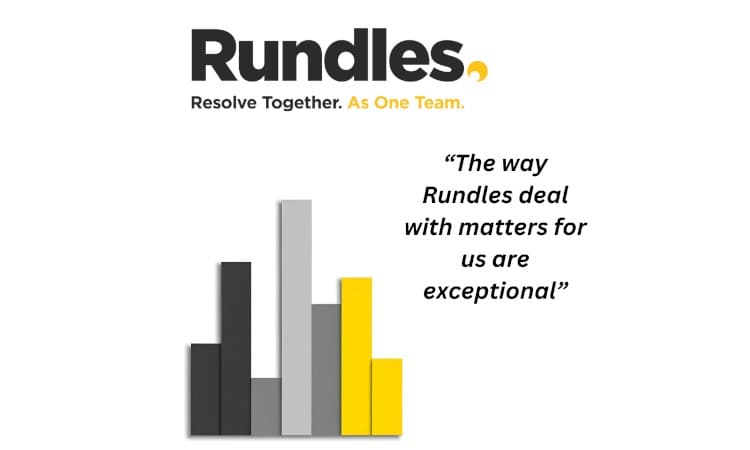
Rundles Client Survey Results: A Commitment to Excellence
At Rundles, we pride ourselves on delivering ethical enforcement services that are highly tailored to our clients’ needs. Our commitment to high-quality, fair debt resolutions is reflected in our recent client survey results, which highlight our dedication to exceptional service ...
Rundles Recognised as a Great Place to Work by UK’s Best Workplaces™ 2024
Rundles is proud to announce its certification as a Great Place to Work by UK’s Best Workplaces™ 2024. This prestigious recognition highlights Rundles’ commitment to creating a positive and inclusive workplace culture that values its employees and fosters professional growth. ...

CIVEA Analysis of Enforcement Agents
CIVEA has responded to a unique study of over 600 visits, in which independent analysis of enforcement agents showed that the vast majority of enforcement agents are treating people fairly and respectfully.

We are delighted to announce an important new partnership!
Rundles, a leading provider of ethical debt enforcement services, has been awarded partnership status by Stop Loan Sharks through their Partnership Recognition Programme. This collaboration focuses on raising awareness of loan sharks and offers critical support to vulnerable individuals trapped ...
Amy Collins Elected Vice President of CIVEA
We are proud to announce that Amy Collins, Managing Director of Rundles, has been elected as the Vice President of the Civil Enforcement Association (CIVEA). This appointment stands as a testament to Amy’s unwavering commitment to enhancing standards within ...